SIGNS OF CHANGE BUT THE FIGHT IS NOT OVERThere are signs that Canada’s horse slaughter industry is shifting—and not a moment too soon. But while one door may be closing, others remain wide open. Here's what we know right now: 1. Bouvry’s (Horse) Slaughter Plant in...
BAN LIVE EXPORT & DOMESTIC HORSE SLAUGHTER
HELP BAN HORSE SLAUGHTER IN CANADA & BEYOND
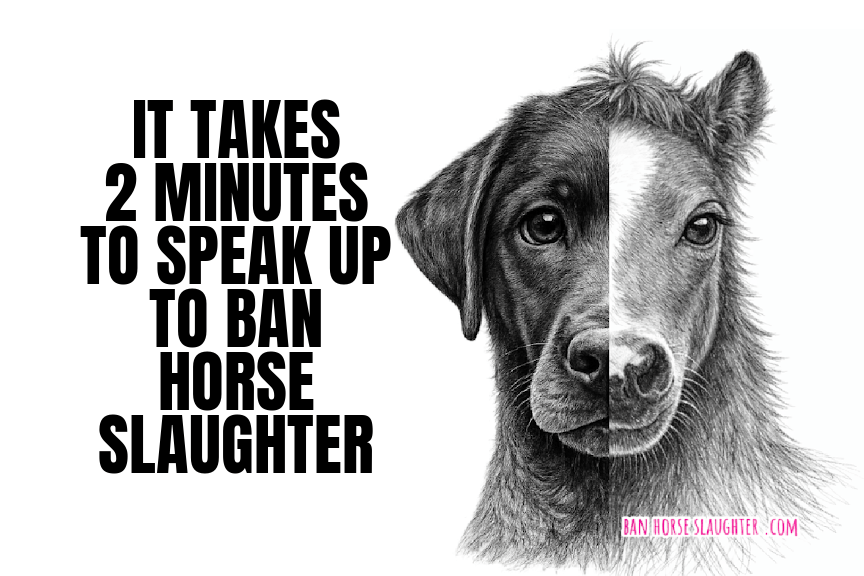
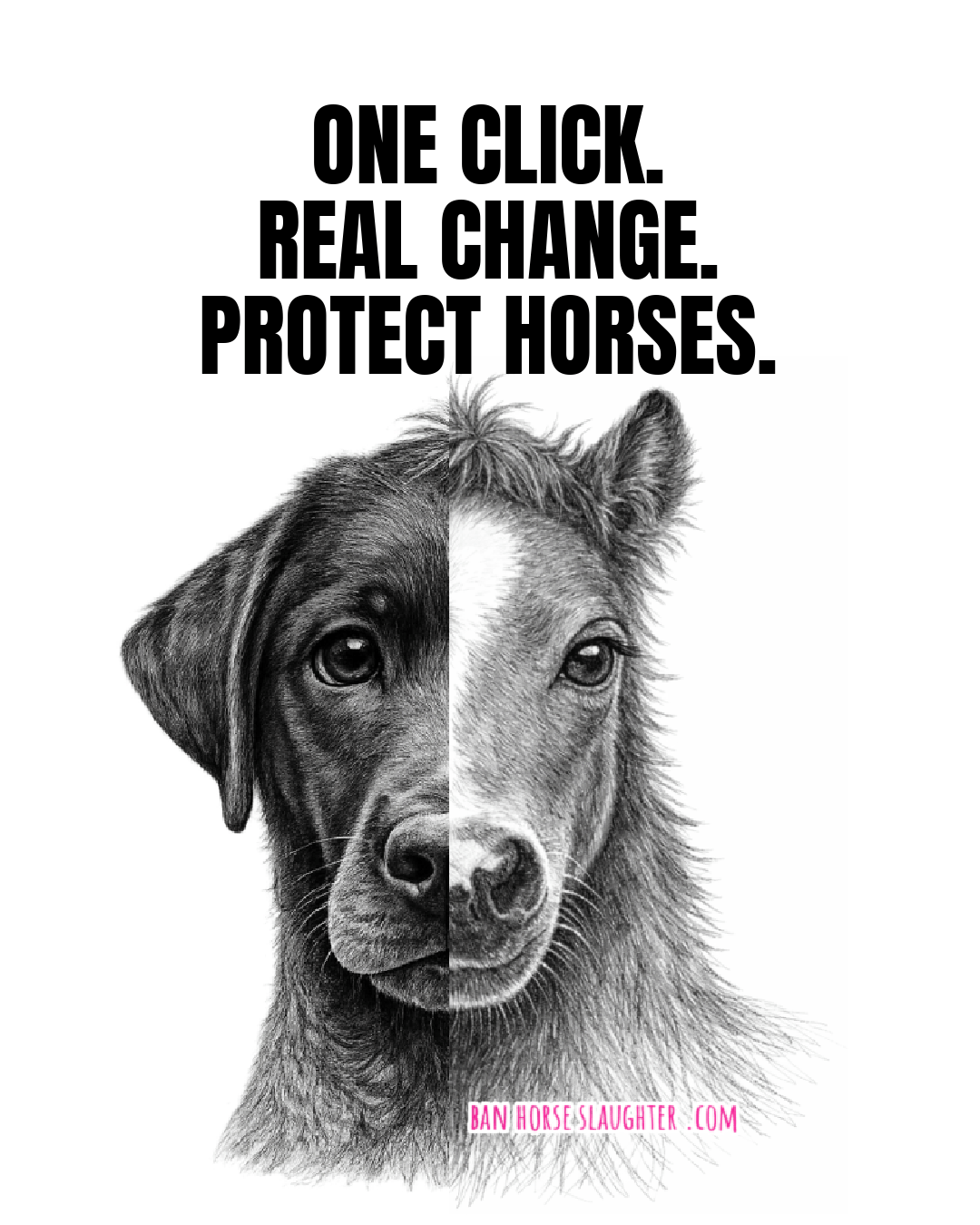
Canadians are horrified to see some countries eat dogs & cats, yet in Canada, in a largely unknown business, beloved horses are being tortured and killed for their meat for human consumption – INCLUDING pet horses.

Every year, thousands of horses in Canada are flown overseas for slaughter — including to Japan. The way in which they are transported in no way resembes how show, race or other sport horses are shipped.
These long-haul flights are legally permitted to last up to 28 hours, but evidence shows that this limit is often exceeded.
Horses — large draft breeds — are crammed into wooden shipping crates with no access to food, water, or veterinary care for the duration of transport.
Documented cases show horses arriving injured, collapsing on landing, or dying en route.
In 2023, Liberal MP Tim Louis introduced Bill C-355 to ban the live export of horses from Canada for the purpose of slaughter.
The bill passed the House of Commons with the support of every Liberal, New Democratic Party, and Green Party Member of Parliament, and without the support of a single Conservative or Bloc Québécois MP.
Despite passing Parliament, the bill stalled in the Senate and ultimately died when the federal election was called in April 2025.
During Senate consideration, repeated procedural delays — including those led by Senator Rob Black — were used to run out the clock on the bill.
As a result, the barbaric live export of horses from Canada for slaughter continues today.
We are grateful to Senator Pierre Dalphond for championing Bill C-355 in the Senate. His dedication to protecting horses in Canada is deeply appreciated — and we urge Senator Dalphond to reintroduce similar legislation.
BUT THIS IS A TWO-PART FIGHT
Horses are also slaughtered domestically in Canada — including pets, workhorses, racehorses, rodeo horses, sport horses, and horses imported from the United States.
Unlike traditional food animals, horses in Canada and the United States are routinely treated throughout their lives with medications such as phenylbutazone (“bute”), dewormers, and other drugs that are toxic to humans and explicitly prohibited from the human food chain.
These toxic to humans substances are commonly administered without any lifetime tracking system or withdrawal framework suitable for food safety.
And despite less than 1 percent of horse carcasses being tested in Canada for toxic drugs — recalls of horsemeat occur.
ARE YOU EATING HORSE MEAT WITHOUT KNOWING?
A study funded by the Canadian Food Inspection Agency (CFIA) and conducted at the University of Guelph found that horse meat has entered the Canadian food supply mislabeled as other meats — and the CFIA stated it was not surprised by the findings.
With food prices and cost-of-living pressures rising, it is difficult to believe that food fraud will disappear without stronger oversight and an end to horse slaughter altogether.
PROTECT HORSES & PUBLIC HEALTH
Whether exported alive or slaughtered domestically, horses are being forced into a system that was never designed to protect their welfare or public health.
With your support, we can push for legislation that bans both the live export of horses for the purpose of slaughter and the domestic slaughter of horses in Canada.
By signing your name to the following ready-to-send email, you are helping send a clear message: it’s time to end this cruelty — and the risks that come with it — for good.
WE’VE REMOVED EVERY BARRIER TO SPEAKING UP
ON THE FORM BELOW…
This is a done-for-you email that makes it easy to contact the decision-makers who can end horse slaughter in Canada.
Step-by-Step
1. Enter your name and postal code
Your postal code is used only to identify your local Member of Parliament so your message goes to the right office.
2. Click “Generate message”
A pre-written email appears in whatever email program or APP you usually use. You can send it as-is or personalize it if you wish.
3. Click “Open email to send”
Your own email program opens with the message addressed to:
the Minister of Agriculture
the Opposition Agriculture Critic
Senator Pierre Dalphond
your local MP
Your Privacy
Your email is sent from your own email account
Your personal information is not stored
Ban Horse Slaughter does NOT sell your data

Send a ready-to-sign email to decision-makers
📧 How This Works
When you click “Open email to send”, your personal email app will open automatically with the message ready to go.
Simply click Send in your email program — just like you would for any other email.
✅ Almost done!
Your email draft should now be open. Click Send in your email app to deliver your message.
Your email draft should now be open. Click Send in your email app to deliver your message.


THE LETTER IN THE FORM READS…
Subject: Ban the Live Export of Horses for Slaughter and End Horse Slaughter in Canada
Dear Prime Minister Mark Carney, Minister Heath MacDonald, and Senator Pierre Dalphond,
I am writing as a concerned Canadian to urge your support for legislation to end horse slaughter in Canada — both the live export of horses for the purpose of slaughter and domestic horse slaughter within Canada.
In 2023, Bill C-355, introduced by MP Tim Louis, passed the House of Commons with the support of Liberal, New Democratic Party, and Green Members of Parliament. However, the bill stalled in the Senate and died when the federal election was called in April 2025. As a result, the live export of horses from Canada for slaughter continues today.
I thank Senator Dalphond for his leadership on this issue and respectfully urge the reintroduction and full government support of legislation to finally end this practice.
Horses slaughtered in Canada — including companion, sport, and working horses, as well as horses imported from the United States — are not raised or regulated as food animals.
Throughout their lives they are commonly treated with medications prohibited from the human food chain, creating ongoing animal welfare and food safety concerns.
A study funded by the Canadian Food Inspection Agency and conducted at the University of Guelph found horse meat entering the Canadian food supply mislabeled as other meats. Whether exported alive or slaughtered domestically, horses are being placed into a system never designed to protect their welfare or public health.
I respectfully ask you to support legislation that bans the live export of horses for slaughter and ends domestic horse slaughter in Canada.
Thank you for your consideration.
Sincerely,
[Full Name]
[Street Address]
[City, Province]
[Postal Code]
[Phone Number]
AND IT GOES TO…
Prime Minister of Canada
📌 Office of the Prime Minister
📧 Email: mark.carney@parl.gc.ca
———-
Minister of Agriculture and Agri-Food (Canada)
📌 Minister of Agriculture and Agri-Food
📧 Email: aafc.minister-ministre.aac@agr.gc.ca
ℹ️ Responsible for federal policy related to livestock transport, slaughter regulations, and food safety oversight.
———-
Opposition Critic for Agriculture and Agri-Food
📌 John Barlow, MP
Shadow Minister for Agriculture and Agri-Food
📧 Email: John.Barlow@parl.gc.ca
ℹ️ Holds the government accountable on agriculture and food policy.
———-
Senator
📌 Senator Pierre Dalphond
📧 Email: PierreJ.Dalphond@sen.parl.gc.ca
ℹ️ Former sponsor of the Horse Protection Act and a key Senate advocate for ending live horse export for slaughter.
———-
Senator
📌 Senator Charles Adler:
📧 Charles.Adler@sen.parl.gc.ca
———-
Your Local Member of Parliament
📌 Your MP (based on your postal code)
📧 Email: Automatically added by the system
ℹ️ Your MP represents you directly in the House of Commons and will receive the same message.
While we push for accountability, we’re also working to save lives — currently raising funds to support a group of draft cross horses in Ontario who would otherwise have gone to slaughter. AND to save 4 horses in New Brunswick from being sold to a kill buyer. Every dollar raised this month will go towards those two projects.
PLEASE SHARE & ENGAGE WITH THESE POSTS ON SOCIAL MEDIA
Canadians are horrified to see some countries eat dogs & cats yet in Canada a largely unknown, barbaric business exists.
It takes 2 minutes to speak out ==> https://t.co/G2lV9SgZDd <==@jannarden @marie_bennett #banhorseslaughter #horseshit #chdc @melissagrelo pic.twitter.com/HV2i6pKVhC
— Ban Horse Slaughter (@HorseSlaughter_) March 1, 2026
BOUVRY HORSE SLAUGHTER PLANT CLOSED
read more
THANK YOU MONIKA REKOLA & MIDLAND TODAY .CA
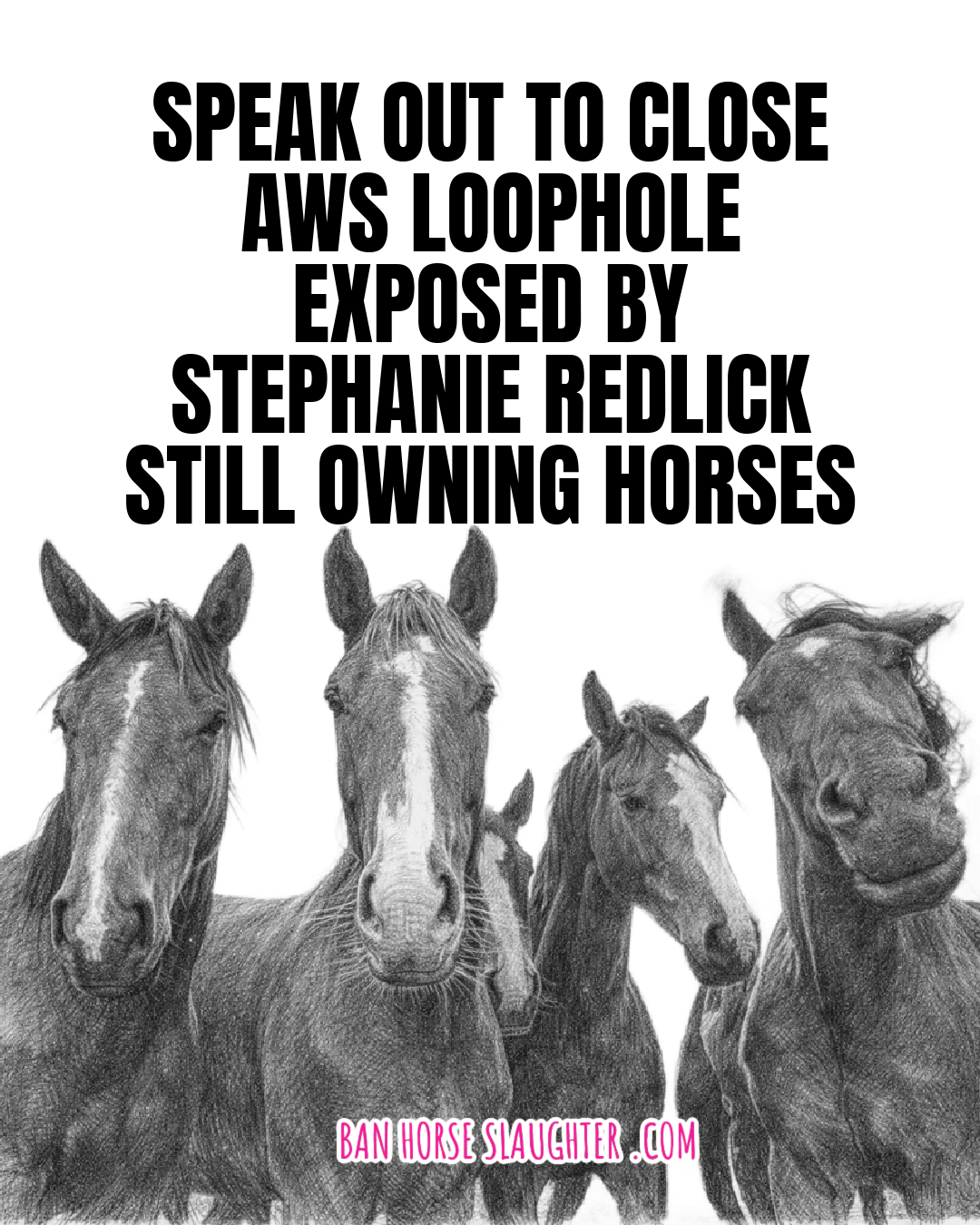
UPDATE ON 13 ANIMAL WELFARE SERVICES CHARGES STEPHANIE REDLICK IS FACING We really can’t thank Monika Rekola enough for continuing to follow the Stephanie Redlick story and for giving cases like these the attention they deserve. Today's article brings readers up to...

REDLICK’S COURT DATES
STEPHANIE REDLICK'S UPCOMING COURT DATESPROVINCIAL COURT AWS CHARGES September 17, 2026 @ 3:00 p.m.Port Perry Animal Welfare Services Charges (and Oro-Medonte Animal Welfare Services charges have been rolled into the same jurisdiction). The following court appearance...
HORSES SLAUGHTERED FOR HUMAN CONSUMPTION
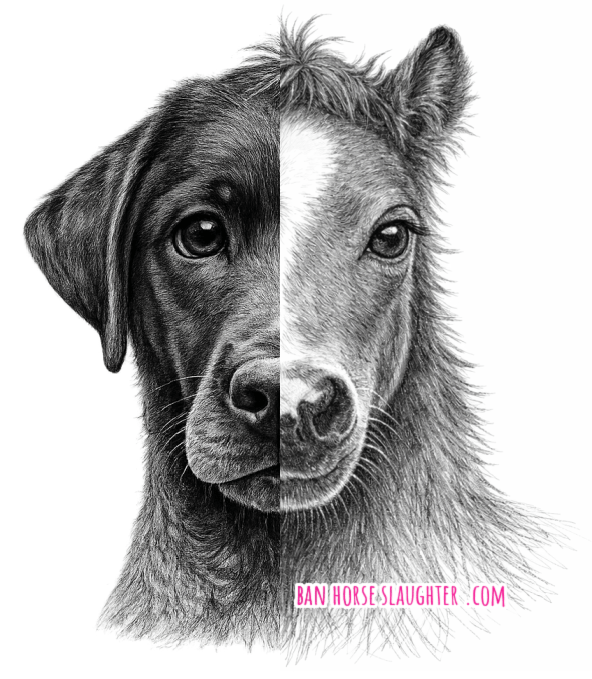
Every year thousands of horses are routinely slaughtered in Canada, for human consumption, but you can help us ban horse slaughter in Canada and beyond.
Some of the meat is consumed in Canada, and much of it is shipped to the European Union, and other markets, including Japan.
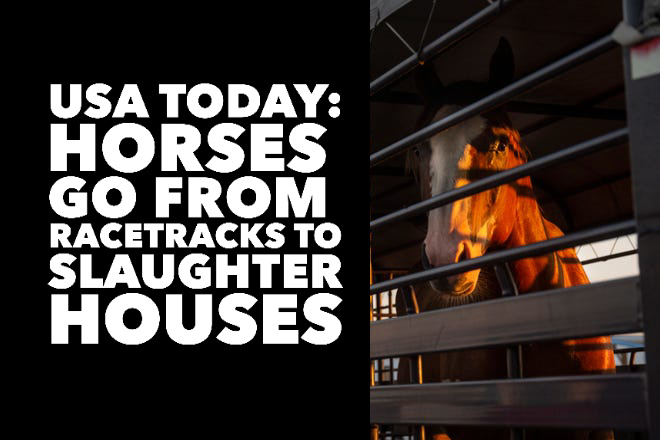
This barbaric practice is currently not legal in the United States, so horses from the United States are shipped to Canada, and to Mexico, to be slaughtered.
In addition Canada allows for the transportation of live horses to Japan to be slaughtered for human consumption, and unfortunately the transportation of horses destined for slaughter within Canada, and by air to Japan for slaughter, is far from humane.
LEARN MORE HERE <==
We are 100% volunteer & crowdfunded.
0% goes towards salaries. Yes, ZERO.
JOIN ACTOR KATE DRUMMOND &
HELP US SPREAD THE WORD