
CANADA SLAUGHTERS HORSES FOR HUMAN CONSUMPTION
YES, REALLY!
It may be hard for some to believe that for decades tens of thousands of horses have been and are still being routinely slaughtered in Canada, for human consumption, but you can help us ban horse slaughter - for any reason - in Canada and beyond.
Some of the meat is consumed in Canada, and much of it is shipped to the European Union, and other markets, including China and Japan.
This barbaric practice is currently not legal in the United States, so horses from the United States are shipped to Canada, and to Mexico, to be slaughtered.
In addition, Canada allows for the transportation of live horses to Japan to be slaughtered for human consumption. Unfortunately, the transportation of horses destined for slaughter within Canada, and by air to Japan for slaughter, is profoundly inhumane.

HORSES THAT MAY HAVE BEEN SOMEONE'S PET
Canadians are horrified to see some countries eat dogs & cats, yet in Canada, in a largely unknown business, beloved horses are being tortured and killed for their meat for human consumption - INCLUDING pet horses. #bhs
People are surprised to learn that horses are being slaughtered in Canada [for human consumption]. Horses that may have been someone's pet. Perhaps even worse, horses are being exported in cramped conditions, to Japan to be slaughtered for meat.
Make no mistake about it, the way in which show or pet horses are transported by land or air, in no way resembles the way horses destined for slaughter are transported. #bhs #hrf


As reported by CTV NEWS.
Stephanie Redlick AKA Stephanie Alessia:
16 horses removed by Animal Welfare Services (Ontario).
Owes provincial government $116,000.
13 Animal Welfare Services charges related to neglect.
2 sets of multiple criminal charges including for fraud and theft.
As reported by Midland Today .ca
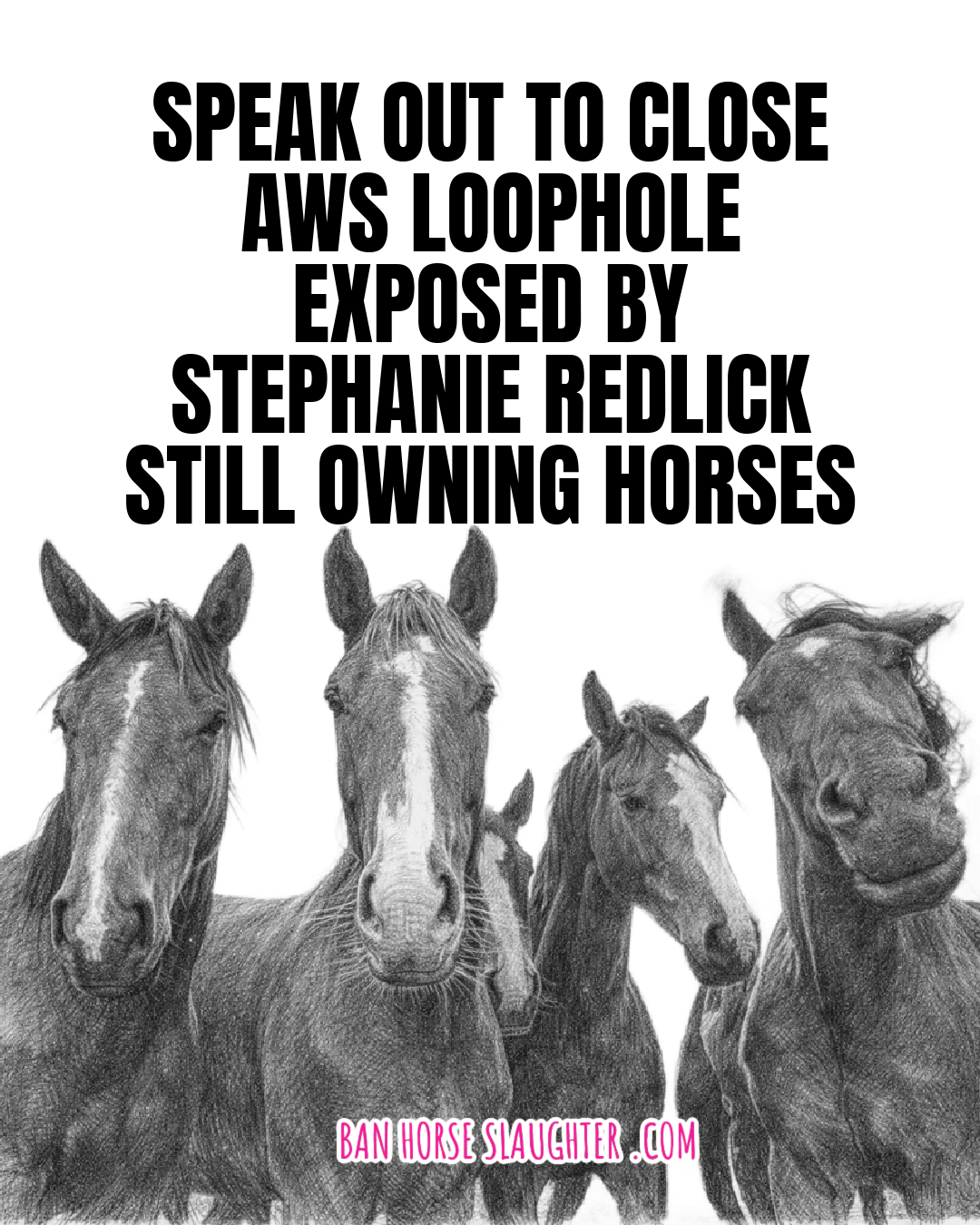
Join us in asking for temporary, court-reviewable restrictions on animal ownership by those accused of cruelty — until charges are resolved which would align animal welfare with protections already accepted in other areas of law.
Fill-in-the-blank email campaign <== takes less than 2 minutes. CLICK HERE.
HORSES ARE NOT BRED SPECIFICALLY FOR MEAT
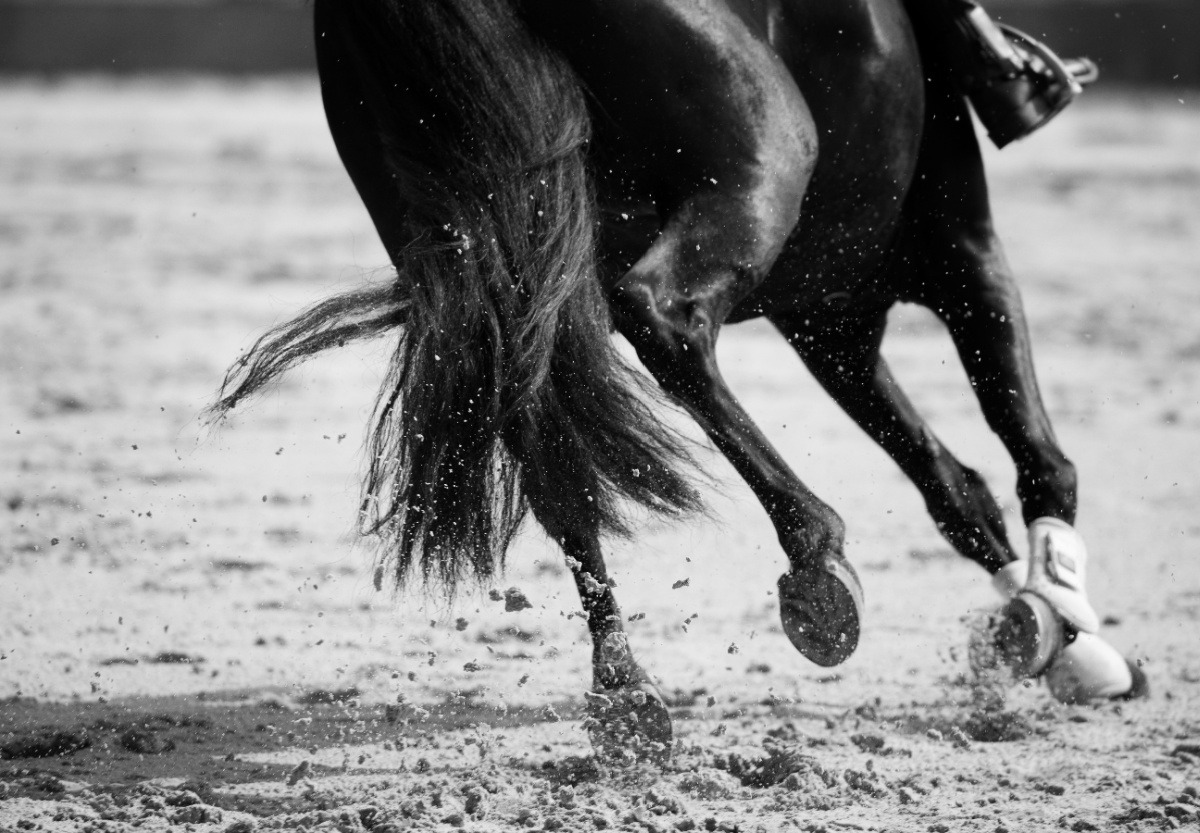
Despite frequent claims to the contrary, NOT all the horses slaughtered — including those exported by air to Japan for human consumption — are bred for meat.
Air export from Canada to Japan for slaughter often targets draft horses specifically percherons and Belgians. Many of these equines were bred for driving competitions or showing.
Most horses slaughtered within Canada come from sport disciplines (including racing and rodeo), work, or show backgrounds, have been companion/pets, only to be reclassified as “surplus” or “wastage” once they are no longer useful or profitable.
YES, HORSE SLAUGHTER WITHIN CANADA IS STILL HAPPENING
In recent years, much advocacy in Canada has focused — on banning live export for slaughter, particularly air shipments to Japan.
But that focus on banning export by air from Canada for the purpose of slaughter has allowed a dangerous misconception to take hold: that horse slaughter in Canada is primarily an export issue. It is NOT.
Domestic horse slaughter continues within Canada with many of the horses slaughtered being imported from the USA.
Horse slaughter is largely out of sight and often mischaracterized as humane, regulated, or necessary. Horse slaughter is NONE of those things.
Whether killed domestically or exported overseas, horse slaughter is not humane. It is a cruel end — regardless of the horse’s breed, age, health, use, or origin.
HORSE SLAUGHTER IS NOT EUTHANASIA
Euthanasia is a medical procedure performed by a licensed veterinarian to prevent suffering.
Horse slaughter is a commercial meat-production process, designed for speed and profit — not animal welfare.
Horses are prey and flight animals. Which means when frightened, their instinct is to run — NOT to remain still.
If you have ever owned or handled a horse, you know how easily they can be startled — by a plastic bag, a shadow, or a puddle.
Now imagine that same horse trapped in a slaughter environment filled with constant noise, confinement, unfamiliar smells, slippery floors, strange and terrified horses, rushed human handling, and the presence of blood and death.
Because horses are prey animals when they sense danger, they panic and try to run. That makes effective stunning unreliable and suffering during slaughter unavoidable.
There are cases documented by inspectors at slaughter plants in Canada where horses remain conscious while being hoisted, bled, dismembered — and in some cases, skinned alive. These practices are recorded in detail with pictures in over 4,000 pages of records obtained by us through Freedom of Information requests.
No regulation can override a horse’s biology. No system can make slaughter humane for an animal evolved to run from danger.
WHY BAN HORSE SLAUGHTER?
Horse slaughter does not exist to protect horses. It exists because there is a market for horse meat.
Slaughter offers a way out — not a way forward. Slaughter normalizes disposal rather than responsibility.
While slaughter continues to be legal in Canada it will:
- incentivize overbreeding
- normalize disposal instead of care
- allow suffering to be outsourced and hidden
Ending horse slaughter does not abandon horses. It ends a system that has never protected them.
SURPLUS HORSES – WHO REALLY BENEFITS?
Some people argue that horse slaughter must continue to prevent neglect.
But the industry’s own language tells a different story. For example :
Canadian exporter of horses for slaughter Kevin Wilson — breeds Percherons for showing/driving competitions and work. Wilson defends Canada’s inhumane transport of horses to Japan for slaughter this way:
“Thinly sliced horse meat, called basashi, is a sought-after product in Japan and is a great export market, adding value to farmers for Canada’s surplus horses.”
This is not a welfare argument. It is a market argument.
Slaughter exists to “add value” — and it provides a convenient exit that removes incentive to breed responsibly or plan for an equine’s lifetime care.

SURPLUS HORSES – WHY AREN’T THOSE WHO PRODUCE OTHER MEAT UP IN ARMS?
We are shocked that producers who raise animals including cattle, hogs, sheep, chickens, etc., specifically for human consumption — and who must comply with strict protocols at every stage — are not openly questioning why horses, many of whom were never raised for food and have been treated with drugs known to be unsafe for humans, are permitted to enter the food chain at all.
As a result, many have been routinely treated with:
- dewormers clearly labeled not for use in animals entering the food chain
- medications such as phenylbutazone (bute), which carry similar warnings
Whether slaughtered in Canada or exported overseas, most of the horses are not exclusively bred and raised for the human food chain.
🇨🇦 CANADIAN? YOU MAY BE EATING HORSE MEAT WITHOUT KNOWING
AND HOLD YOUR HORSES…
Did you get that? The federal government agency charged with protecting the food sources of Canadians is NOT surprised that horse meat is being sold as other than horse meat.
RISING FOOD COSTS INCREASE THE RISK OF FOOD FRAUD
As long as horses are slaughtered in Canada, the temptation for food fraud remains — especially when horses can be acquired cheaply or for free.
Horses of all ages and conditions are slaughtered in Canada — young and old, healthy and sick.
Many horses are picked up at auction for next to nothing, or given to “kill buyers” who pose as offering a loving home, only to send the horse to slaughter. Others are simply dumped at slaughter facilities to avoid the cost of humane euthanasia.
Unlike animals raised specifically for food, horses are not bred, tracked, or regulated under the same strict systems.
As a result, horse meat is cheap to produce — creating a powerful incentive to mislabel it, blend it into other products, or sell it without consumers knowing what they are eating.
Oh, and did we mention that even with less than 1% of horse carcasses in Canada being tested for toxic substances — there are regular recalls of horse meat?
A PUBLIC SAFETY ISSUE — NOT JUST AN ANIMAL-WELFARE ISSUE
Many horses slaughtered in Canada — and those exported for slaughter abroad — are treated with substances explicitly prohibited for animals entering the food chain.
This raises serious questions about:
- consumer protection
- food safety
- and regulatory oversight
Canadians — and overseas consumers — deserve transparency.
🇯🇵 A NOTE TO CONSUMERS OF HORSE MEAT INCLUDING IN JAPAN
Given that the US Department of Agriculture does not have a system to remove horses administered banned substances from the slaughter pipeline, [and less than 1% of horse carcasses in Canada are tested for toxins] more than 5,000,000 pounds of dressed horsemeat sent to the EU and non-EU countries [from Canada] in 2019 were likely contaminated with banned substances. – American Veterinary Medical Association
Consumers in markets such as the EU and Japan are not told that the horses they are eating:
- were not raised as food animals
- slaughtered in Canada but may have originated in the USA
- most likely have originated from racing, sport, work, or companion backgrounds
- most likely have been treated with medications prohibited for meat animals
“Premium” presentation by Canadian slaughter plants and those who export horses from Canada live for slaughter — does not change origin or protect against drug tainted meat.
Demand and slick marketing does not erase risk.
True informed consent requires knowing what the animal was, how it lived, and what substances it may have been exposed to.
🇺🇸 A NOTE TO OUR AMERICAN FRIENDS:
SLAUGHTER WAS OUTSOURCED – NOT BANNED
When federal inspection of horse slaughter plants in the United States was defunded, horse slaughter did not end. It was pushed across borders.
Long, leg-breaking transport of American horses has always been part of the slaughter pipeline — in the past within the U.S., and today to Canada and Mexico — frequently in extreme temperatures, without food or water.
Some U.S. states have taken action. New York has passed a law banning the slaughter of horses for human or animal consumption and outlawing the transport and sale of horses for slaughter.
Other states — including California, Illinois, New Jersey, Florida, Georgia, and Texas — have laws that prohibit horse slaughter or the sale of horsemeat for human consumption.
These protections matter — but they are still incomplete. Horses can still be transported out of the U.S. to be slaughtered elsewhere.
Canadians and Americans must lock arms to:
- end horse slaughter at its destinations (Canada and Mexico)
- support comprehensive U.S. legislation that bans slaughter and transport for slaughter
- so that horses are no longer forced into prolonged, brutal journeys
- and the horrors of slaughter.
LIVE EXPORT BY AIR: LEGAL DOES NOT MEAN HUMANE
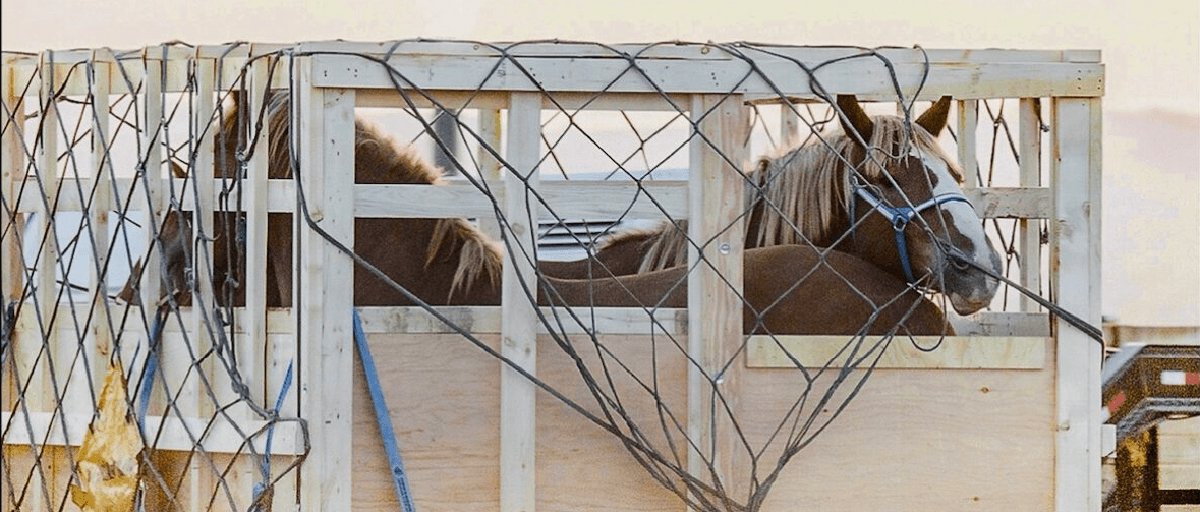
Canada allows the live export of horses by air to Japan for slaughter.
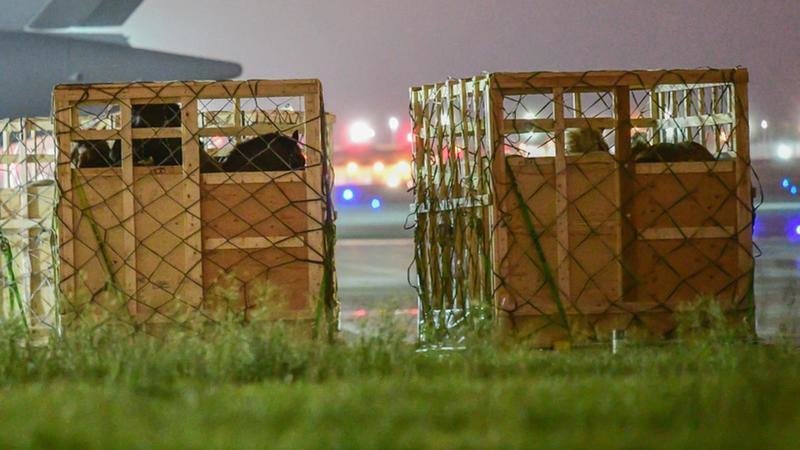
Horses exported by air for slaughter are crammed into wooden shipping crates that do not meet international transport standards. They are often packed with more horses than permitted and shipped in all seasons, including extreme heat and cold.
They are transported without food or water, without veterinary care, and for periods that knowingly exceed legal time limits. This is not how sport or racehorses are moved. These methods are designed for maximum profit — not welfare.
The way slaughter-bound horses are shipped bears no resemblance whatsoever to how sport or racehorses are transported.
Time and again, CFIA transport limits have been breached, and enforcement failures have been documented.
Legal does not mean humane — and even the very lax regulations are knowingly ignored.
The video below, from CBC’s The National, shows a Canadian exporter caught shipping horses beyond both national and international transport limits — while claiming CFIA approval to do so. To date no action has been taken even though regulations were clearly broken.

WHAT HAPPENS TO “UNWANTED” HORSES IF SLAUGHTER IS BANNED?
This question is rooted in fear — but it gets cause and effect backwards.
Slaughter does not prevent neglect.
Slaughter allows overbreeding and a ‘disposability’ — AKA a’wastage’, AKA a’surplus’ — attitude towards horses to continue without consequence.
Ending horse slaughter does NOT create unwanted horses.
Ending slaughter forces accountability where it belongs – on breeders, owners, and industries that profit from horses.
In other words it is time to demand:
Responsible breeding practices.
Lifetime planning.
Humane, veterinarian-administered euthanasia when quality of life cannot be preserved.
In other words… an end to treating horses as disposable commodities.
Slaughter has delayed real solutions by existing.
Ending horse slaughter is not radical. Pretending horse slaughter is acceptable is radical. Silence protects the horse slaughter industry – speaking up – and donating if you can – is how it ends.
14 WAYS YOU CAN HELP BAN HORSE SLAUGHTER
Change does not happen quietly — it happens because people speak up.
CONTACT YOUR MEMBER OF PARLIAMENT

Canadian? Contact your Member of Parliament and tell them you are opposed to the slaughter of horses within Canada. Tell them you oppose the live inhumane transport of horses from Canada to any other market for slaughter.
American? Learn more about 30,000 horses shipped from the United States to Canada and Mexico each year to be slaughtered for human consumption.
Contact your legislator and demand they put a stop to this inhumane practice.
PETITIONS

We’re often asked about petitions that hold real value. In Canada, we focus on Member of Parliament-sponsored petitions because they are geo-tagged, ensuring they reach the right elected officials. Online petitions generally lack influence, as politicians prioritize feedback from their own constituents. However, MP-sponsored petitions with enough signatures are formally read in Parliament, giving them greater impact.
If you have an MP-sponsored petition or a letter-writing campaign you believe we should promote, please don’t hesitate to reach out to us!
DON’T EAT HORSE MEAT & BOYCOTT IGA
Boycott restaurants that serve horse (or donkey) meat and boycott grocery and other stores that sell horsemeat. In Canada that includes IGA.
Tell your friends, family, neighbors, and co-workers about the dangers of eating horsemeat. Ask them to join you in boycotting businesses that sell horsemeat.
Do you have friends in the European Union or Japan? Make sure they know why horse meat produced in Canada is not safe. AND how inhumane it is to slaughter horses.
P.S. Canadian? You may be eating horse meat without knowing it.

Support equine charity, rescue, and sanctuary operations, including those lobbying to ban the slaughter of any equine for any purpose.
Please do your own due diligence before supporting any organization financially, or when surrendering an equine.
In addition to financial support, organizations are always looking for volunteer help – both in-person help and help with online tasks as well.
Please don’t be shy about reaching out to your favourite group and asking them about what help they may need.
ADOPT DON’T SHOP
Thousands of young, fit, healthy, amazing equines are slaughtered in Canada every year. Horses (and other equines) who through no fault of their own are snapped up by kill and meat buyers and sent to an inhumane death.
Reputable rescue organizations in Canada, the United States (and beyond) can help you with a match to a horse, pony, donkey, or mule to suit your needs.
Rescue doesn’t mean a horse is old or “damaged”. Perfectly healthy horses are available from rescues and include horses of every age, color, and breed, both young and old.
USE ALTERNATIVES TO HRT DRUGS
Don’t use Hormone Replacement Therapy (HRT) drugs like Premarin®, now manufactured by the pharmaceutical giant Pfizer.
Use synthetically produced versions instead.
Educate your friends, as well as doctors who may prescribe HRT products for women.
Many consumers are unaware of the cruel and inhumane treatment horses endure by the PMU industry to create these drugs. (PMU stands for Pregnant Mare Urine.)
Horses are routinely impregnated and confined to stalls for the sole purpose of facilitating the collection of their urine.
The hormones in the urine are used to manufacture Hormone Replacement Therapy (HRT) products for women.
BOYCOTT HORSE RACING

Real Sports with Bryant Gumble May 21st, 2019: “Enjoy the Kentucky Derby and Preakness? Correspondent Bernard Goldberg’s report on horse racing reveals that more than two thousand horses died racing in the United States each year. TWO THOUSAND. And thousands more are slaughtered after their racing days are over.”
USA TODAY reports: “An estimated 7,500 thoroughbreds a year are slaughtered for human consumption, according to Alex Waldrop, president of the National Thoroughbred Racing Association (NTRA).”
NBC reports: “It is well-documented that many racehorses end up at slaughter auctions within a week of their last race, even though many tracks across the country have policies opposing this practice.” – Nancy Perry, senior vice president of ASPCA governmental relations.
When you support racing you support the slaughter of a little-known “by-product” of the racing industry, “nurse mare foals“. Many nurse mare foals are slaughtered immediately after their birth, not necessarily using humane methods.
ADOPT A RACEHORSE

Consider adopting an off the track AKA retired Standardbred or Thoroughbred. Or a horse that never made it to the track.
Even though racehorses have been specifically bred to race, they can be taught to cut cows, barrel race, trail ride, jump and so much more.
Racehorses generally have been handled frequently and usually have impeccable ground manners and a great work ethic.
HAVE AN EQUINE END OF LIFE PLAN

For many reasons, discussed above – shhipping your equine to a slaughter plant is NOT a humane form of euthansia. Nor is selling your horse at an auction or directly to a kill/meat buyer.
No one likes to think about having to say goodbye to our beloved equines, but if we do have to euthanize, the right thing to do is to not stress our horse, pony, donkey or mule by transporting them away from their home before euthanising.
Research the costs of euthanasia and body disposal in your area and set aside some money now. Be financially prepared to do the right thing for your equine when the time comes.
Have you made arrangements for your horses to be cared for in the event that something should happen to you?
DON’T SELL YOUR HORSE AT AUCTION

Selling your equine at an auction puts it at high risk because “kill buyers” AKA “meat buyers” frequent auctions. Don’t risk your horse going to slaughter.
A private sale where you can carefully screen the adoptive home, making sure that they are not kill/meat buyers masquerading as a good home, is a far better option.
When you sell privately you can stay in touch with new owners and ask to be notified if for some reason they have to resell your horse.
Warn your friends about the dangers of selling at auctions.
If you must re-home your horse consider a rescue or sanctuary situation.
SIGN UP FOR OUR MAILING LIST
STAY IN TOUCH VIA SOCIAL MEDIA
BECOME A KEYBOARD WARRIOR

ACTOR KATE DRUMMOND WEARS THEM


BOUVRY HORSE SLAUGHTER PLANT CLOSED
SIGNS OF CHANGE BUT THE FIGHT IS NOT OVERThere are signs that Canada’s horse slaughter industry is shifting—and not a moment too soon. But while one door may be closing, others remain wide open. Here's what we know right now: 1. Bouvry’s (Horse) Slaughter Plant in...
THANK YOU MONIKA REKOLA & MIDLAND TODAY .CA
UPDATE ON 13 ANIMAL WELFARE SERVICES CHARGES STEPHANIE REDLICK IS FACING We really can’t thank Monika Rekola enough for continuing to follow the Stephanie Redlick story and for giving cases like these the attention they deserve. Today's article brings readers up to...

REDLICK’S COURT DATES
STEPHANIE REDLICK'S UPCOMING COURT DATESPROVINCIAL COURT AWS CHARGES September 17, 2026 @ 3:00 p.m.Port Perry Animal Welfare Services Charges (and Oro-Medonte Animal Welfare Services charges have been rolled into the same jurisdiction). The following court appearance...
HORSES SLAUGHTERED FOR HUMAN CONSUMPTION
Every year thousands of horses are routinely slaughtered in Canada, for human consumption, but you can help us ban horse slaughter in Canada and beyond.
Some of the meat is consumed in Canada, and much of it is shipped to the European Union, and other markets, including Japan.
This barbaric practice is currently not legal in the United States, so horses from the United States are shipped to Canada, and to Mexico, to be slaughtered.
In addition Canada allows for the transportation of live horses to Japan to be slaughtered for human consumption, and unfortunately the transportation of horses destined for slaughter within Canada, and by air to Japan for slaughter, is far from humane.
LEARN MORE HERE <==
We are 100% volunteer & crowdfunded.
0% goes towards salaries. Yes, ZERO.