No Results Found
The page you requested could not be found. Try refining your search, or use the navigation above to locate the post.

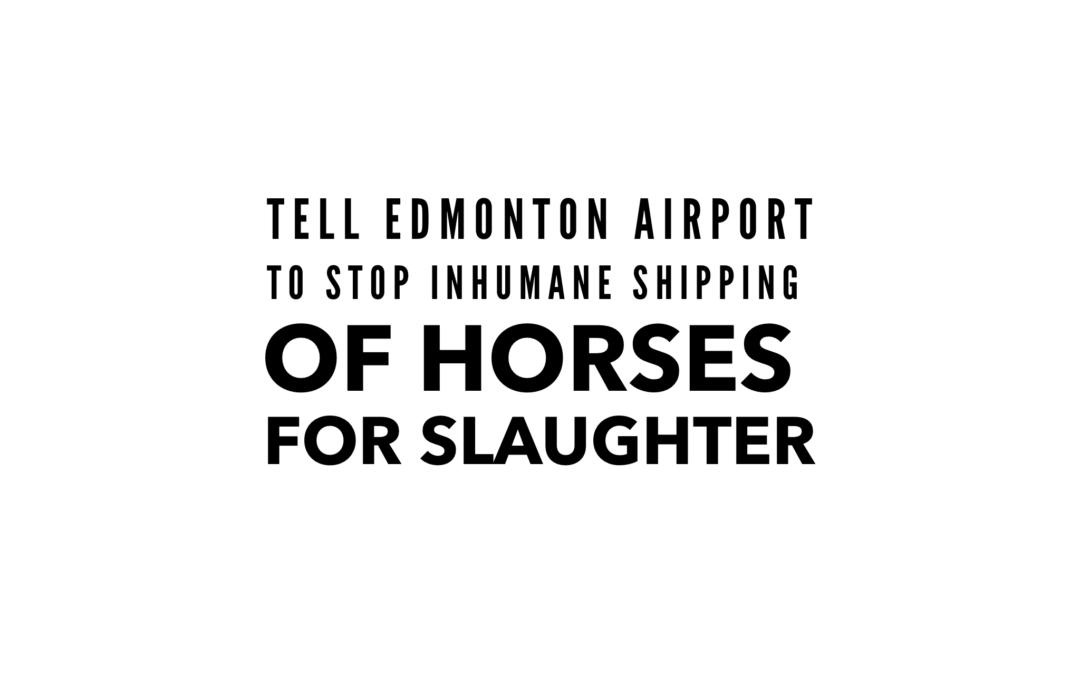
Thanks to Karin Nelson for sharing the following – it only takes a few seconds to send a message to Edmonton International Airport.
“Here is a link if you would like to send the Edmonton International Airport [an email] and ask that they stop being complicit in shipping live horses to Japan for slaughter.
Please share with other groups and individuals.”
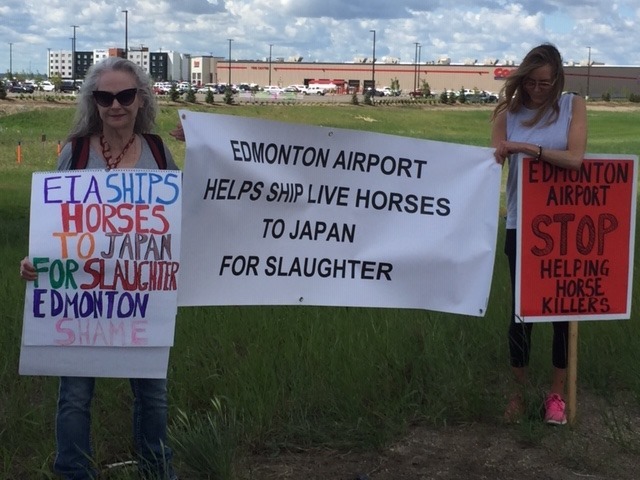
Image courtesy Karin Nelson.

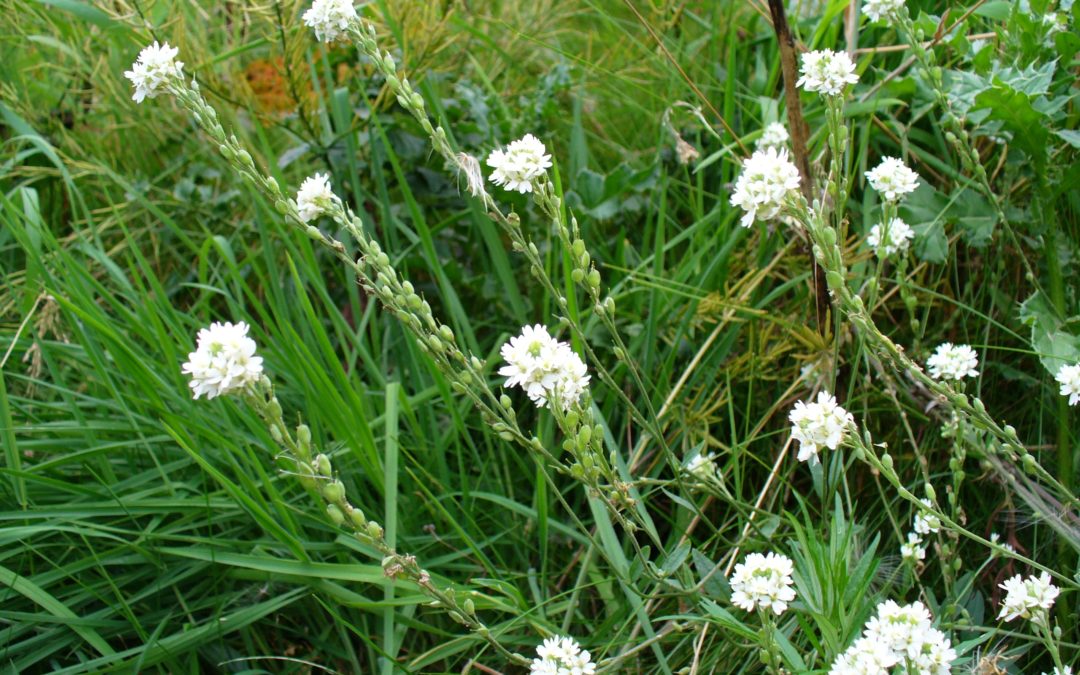
Noxious, invasive weed, hoary alyssum KILLS HORSES.
Yes, really.
How do I know? I’ve had personal experience.
Not sure what it looks like? You are not alone.
Many horses don’t find it palatable in the pasture BUT…
When baled in hay, they readily eat it, and it takes precious little to create serious problems.
Don’t believe some of the early studies and test results that state it has to be 20% or more in hay to be dangerous, new research and personal experiences find less than 10% can be deadly.
Learn to recognize it in your pastures and PULL it, double bag it and take it to a landfill (in British Columbia and other provinces of Canada landfills will accept noxious weeds for free.)
Mowing it just makes it come back stronger. The seeds survive burning, and even spraying is not 100% effective.
Give it an inch and it will take many miles.
Thanks to Sheila Wardman I learned it sometimes has a PURPLE TINGE IN HAY. She likely saved my horses’ lives.
Mature plants may have purple stalks when in the field and when dry in hay, but not always. Learn to recognize the seeds in hay too.
Only buy hay for your horses from someone you absolutely trust with their lives.
Your veterinarian may NOT yet know much if anything about hoary alyssum poisoning, symptoms include:
Lower Leg Edema (Swelling)
Lameness
Loss of appetite
Fever
Warm Hooves
Listlessness
Laminitis (founder)
Stiffness Of Joints
Reluctance To Move
A “camped Out” Stance
Abortion In Mares
Increased Digital Pulse
Red-colored Urine
Liver Damage
Kidney Failure
Neurological issues
Death
Live in British Columbia, Canada? You’ve likely seen hoary alyssum and if you’ve been aware of it before this year…
Chances are that you, like me, are appalled at how it has taken over lawns, ditches, fields, public spaces. How it’s grown exponentially year after year.
The regional district I currently live in has 231 public spaces that are completely covered with it, hectares upon hectares. And that’s not counting private properties, ditches and Crown Land.
I’ve watched as a neighbour’s 5 acre property has gone from having a few plants to being completely covered in it. Mowing only makes it stronger.
There are whole communities in B.C. complaining that they don’t have any hay available for horses that is not “infected” with hoary alyssum.
And it’s not just in B.C. It’s in North east and west Washington State, Oregon, Minnesota, Idaho, Colorado, Alberta, Manitoba, Saskatchewan, Ontario, Quebec, New Brunswick, Nova Scotia, Michigan, and more.
Washington Lawmaker Warns Of Noxious Weed After Death Of ‘One-In-A-Million’ Horse
https://www.nwnewsnetwork.org/…/washington-lawmaker-warns-n…
“They found her down by a creek on some leased pasture land.
“She was standing on all fours, but very uncomfortable lifting her back feet up and down,” Kretz said.
She then collapsed and they had to haul her to dry ground.
“Right away you’re running through a million things in your mind, what could it be, what could she have gotten into,” Kretz said. “Is it a disease? is it poison?”
The conclusion was it was hoary alyssum.
Kretz nursed Ellie for several weeks and watched as the toxins took a toll on her hooves. She started to slough them — something Kretz said was one of the worst things he’s ever witnessed.
“I never want to see it again,” he said. “I wouldn’t wish that on anybody.”
Finally, he decided to euthanize her.”
HELPFUL PICTURES HERE:
https://bcinvasives.ca/…/iden…/invasive-plants/hoary-alyssum
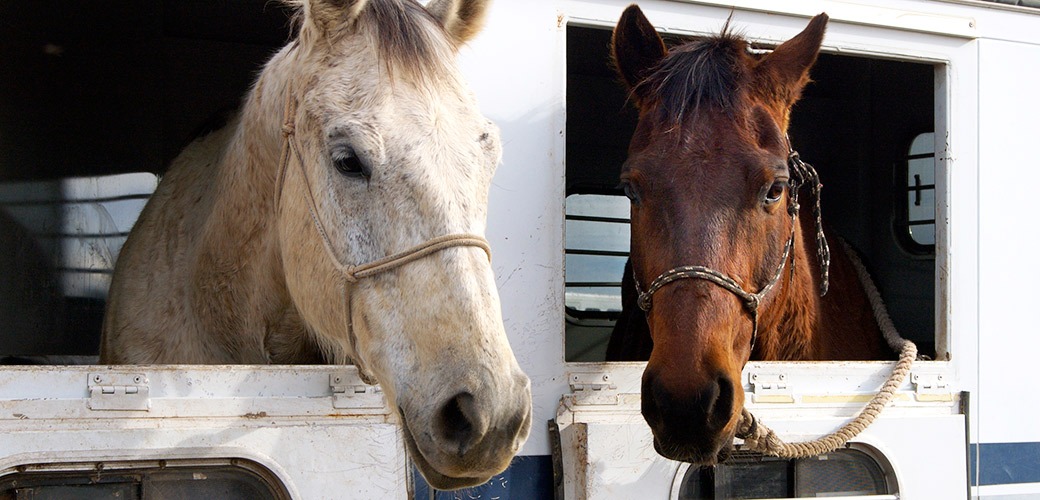
Last year, approximately 80,000 American horses were trucked over our borders (to Canada and Mexico) to be slaughtered for human consumption. Until this practice is banned and Congress passes a law against slaughter here in the U.S., no horse is safe.
The methods used to kill horses rarely result in quick, painless deaths for these animals
and sometimes they even remain conscious during dismemberment.
Horse Slaughter in the United States
The last three U.S. slaughterhouses—two in Texas and one in Illinois, all foreign-owned—were shuttered in 2007. In 2006, these facilities killed and processed more than 104,000 horses for human consumption, shipping the meat overseas.
Slaughterhouses are not clean or green enterprises and these facilities have proved to be environmentally damaging as well as economically draining to the communities that have housed them. It is clear that states with experience hosting horse slaughter facilities do not want them back: Texas and Illinois have implemented laws that specifically ban selling, giving and possessing horse meat intended for human consumption.
Horse Slaughter Abroad
Looking at data from 2012 to 2016, an average of 137,000 American horses were trucked over our borders each year to slaughter facilities in Mexico and Canada. In 2017, that number dipped to just under 80,000. Reopening slaughterhouses in America is not the answer to ending this form of cruelty.
In fact, even when horse slaughter facilities operated in the United States, tens of thousands of American horses were still exported to other countries for slaughter.
Additionally, long-distance transport is an inherent aspect of this industry. Given the vast geography of the U.S., any transport of American horses to slaughter—within or outside the U.S.—will be long and brutal.
The Future
Until a ban is in place, every American horse is at risk of meeting this fate. Fortunately, in January 2019 the Safeguard American Food Exports (SAFE) Act (H.R. 961) was introduced in the U.S. House of Representatives. The bill would prohibit the slaughter of horses for human consumption in the United States and ban their export abroad for that purpose—but we need your help to ensure Congress passes this important legislation.
The page you requested could not be found. Try refining your search, or use the navigation above to locate the post.
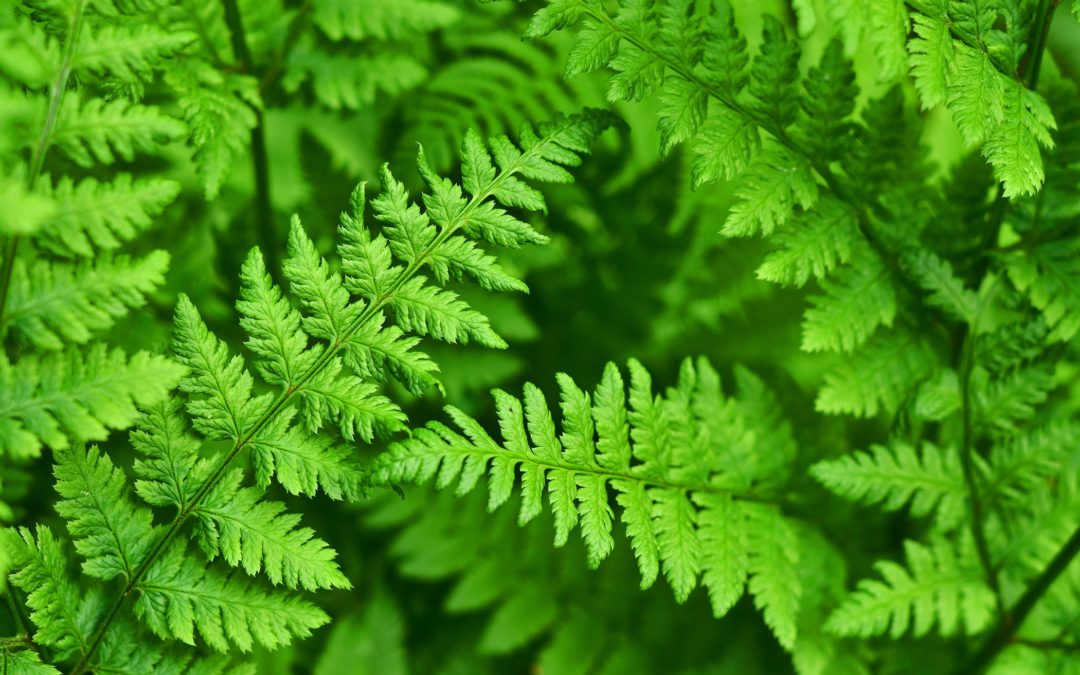
What is Bracken Poisoning?
The Bracken fern has wide and triangular leaves and is a popular perennial fern.
The spores are born in the very late summer months and live on under the wide leaves, with the leaves folding under to protect them.
This plant rises up to three to four feet in height, and this type of fern is found all over the world, especially in very temperate areas.
It also grows in wide, dry, and openly wooded areas.
Due to the vertical growth of the roots, this plant spreads rapidly.
The taste of Bracken is not one that horses seek out, so horses tend to avoid purposely eating the fern.
However, they may resort to eating the leaves if there are no other plants around to graze upon.
It can also be found along roadsides and fences, and horses may choose to ingest it when there is nothing else to forage on.
Hay that is given to horses may also contain parts of the toxic fern.
Bracken fern is toxic throughout the plant; it contains rhizomes, which are toxic roots that spread and shoot out to form new growth underground.
Bracken fern also contains thiaminase, an enzyme that causes vitamin B to become inactive.
Over time, the horse develops a deficiency in thiamine, an essential vitamin B.
Bracken poisoning in horses is caused by horses ingesting all or part of the Bracken fern, usually within the hay they are fed or when they happen to forage upon it.
Symptoms of Bracken Poisoning in Horses Bracken fern toxicity has specific signs which are hard to ignore.
If you see any of the following symptoms in your horse, make an appointment with your veterinarian as soon as possible.
Symptoms include:
Unsteady gait
Flanks have a tucked up appearance
Congestion
Constipation
Agitation
Nervousness
Standing with legs spread apart
Falling
Decreased appetite over time
Muscle tremors
Abdominal pain
Dilated pupils
Heart rhythm abnormalities
Types
Bracken fern comes in a variety of names which are important to be knowledgeable of.
Additional names in which bracken fern may be called are:
Brake
Pasture bracken
Evil fern
Brake fern
Umbewe
Hog pasture bracken
Umhlashoshana
Read more at:

You do NOT need to be in attendance to win. See below for how to buy tickets in Canada OR the United States. Shipping included!
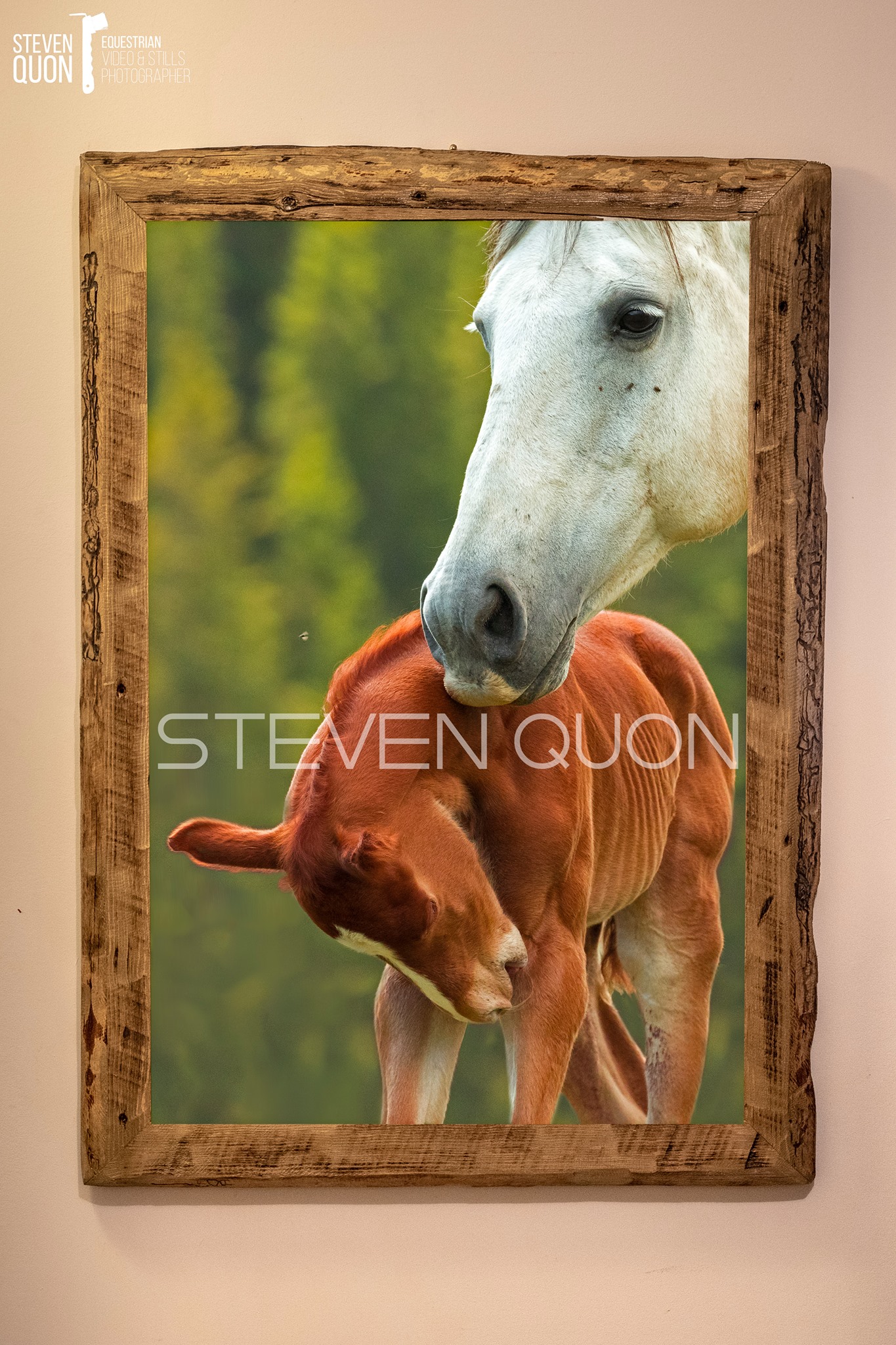
The extremely talented equestrian photographer Steven Quon has graciously donated a 20″ x 30″ — $600 custom framed, equine wall art canvas to Canadian Horse Defence Coalition to raise money for horse slaughter awareness, and the current ground breaking law suit to stop the inhumane shipping of horses by air to Japan and South Korea, to be slaughtered for human consumption.
The drawing for this gorgeous piece will be held at 4 PM Mountain, Sunday April 28th, 2019 at the CHDC booth #906 at The Mane Event in Red Dear, Alberta.
You do NOT have to be in attendance for the drawing to win.