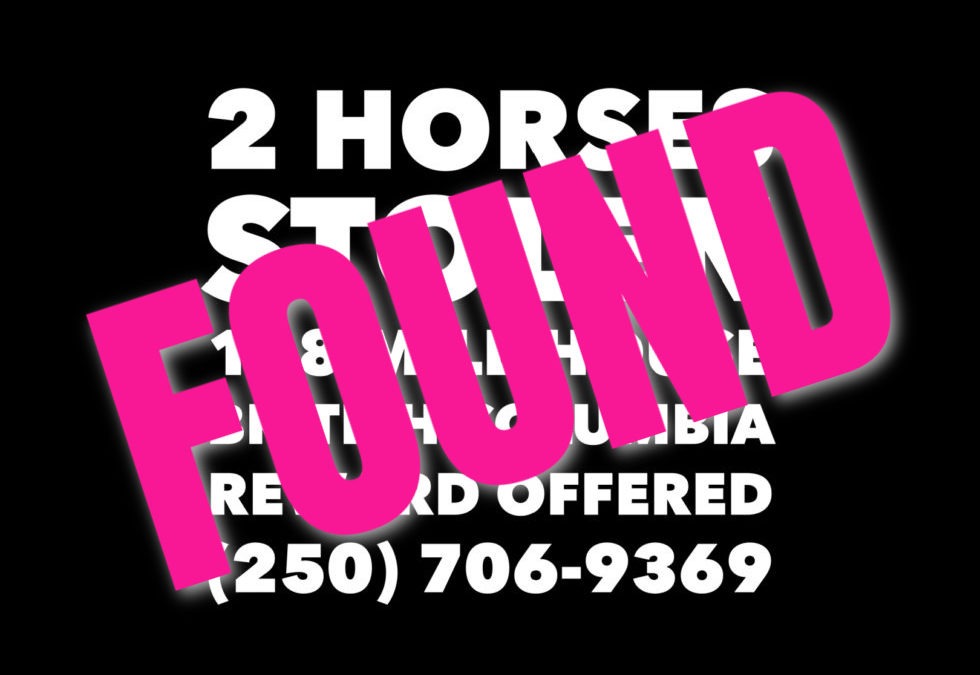
2 HORSES STOLEN
TWO HORSES STOLEN FROM 108 MILE HOUSE, BC
REWARD OFFERED
VALAURIE WRITES:
💜Jack and Jill are HOME💜
Jan. 21 2022: I get a message from a lady saying her Husband was up in the helicopter and saw a pack of wolves eating something fairly big by Tubbs Lake.
To make sure it wasn’t my horses, we sent up a drone to check out the area.
After reviewing the footage at home we spotted two horses along a fence line that looked very veeeery similar to Jack and Jill.
Jan. 22 2022: 💜 THE DAY OF THE REUNION 💜
We went out there on horseback and a bit on foot as the snow was VERY deep and THERE THEY WERE!
It looked like they have been in that spot for a few days as there were lots of tracks and poop. They both lost weight but aren’t super skinny, they have lots of energy, didn’t seem tired at all.
As soon as I put them back Jill took her job back of bossing everyone around and Jack was happy to see his buddies.
Honestly it all still seems so unreal…
THEY ARE HOOOOOOME!!! 💜💜💜💜
Now what do I think happened…?
Right now I am just incredibly relieved and happy that I have them back home.
.I will share more in the next days after getting some emotional and physical rest
JANUARY 19TH, 2022 STILL MISSING
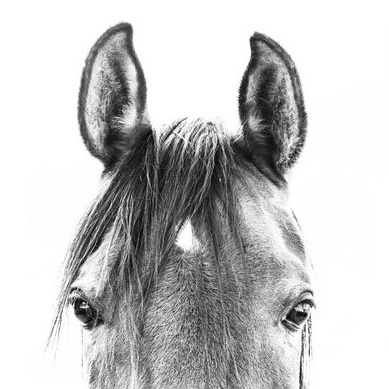
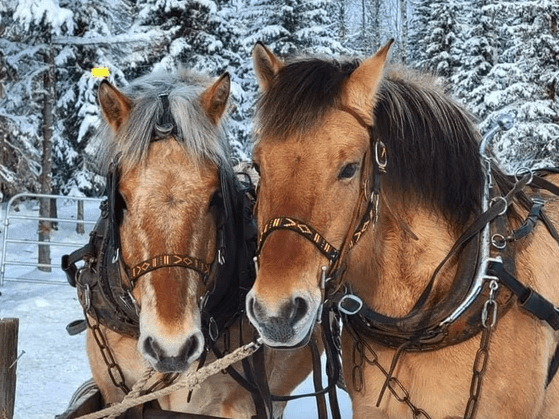
Two Fjord cross draft horses named Jack and Jill went missing on December 18th/19th from Flying Rooster Farm, near Spruce Hills Resort in 108 Mile House, BC.
After EXTENSIVE searches and no tracks or signs of the horses foraging for grass in the snow, it has been determined that they were stolen.
Brand inspectors in both British Columbia and Alberta, and at the Bouvry Slaughter Plant in Alberta – as well as horse auction businesses – and the RCMP in both provinces – have been notified.
Yes, horses are slaughtered in Canada for human consumption and that’s why the brand inspector at the Bouvry Slaughter plant in Alberta have been contacted.
When horses are sold to, and dropped off, at slaughter plants in Canada, unless a horse has a visible brand, a horse can be slaughtered the same day they are delivered.
The only proof of ownership required is for the person, or persons, dropping off the horse or horses to claim that they are the rightful owners.
Fortunately these horses are branded but the owner is not taking any chances and doing everything she can to make sure these horses are not slaughtered.
REWARD OFFERED
Anyone with information can go to Valaurie Wettstein’s Facebook page or
call Valaurie @ 250-706-9369.
The brands on the horses are as follows:
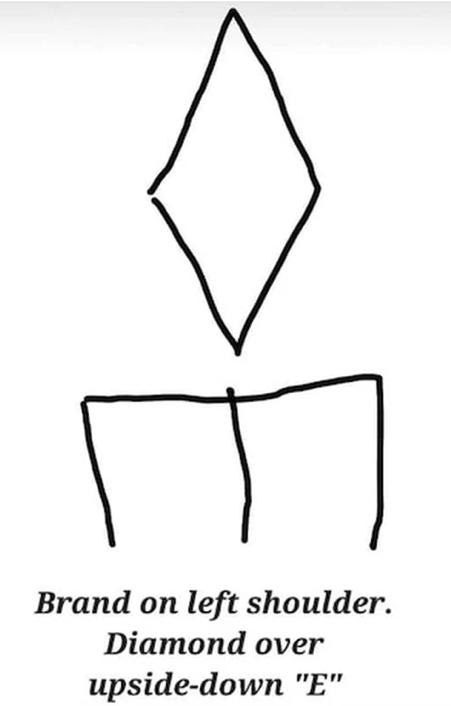

PLEASE NOTE:
Especially with the thick winter coats on the horses, their brands will not be visible unless you are up close and personal with them and even then you’ll have to look closely, so…
PLEASE if you see any horses that in any way look anything like the pictures included, especially if they are horses you’ve only just recently noticed in your area…
CALL (250) 706-9369
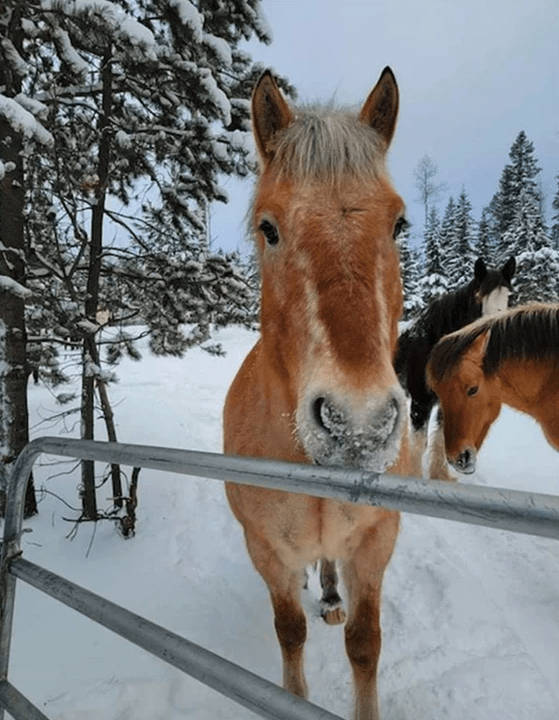
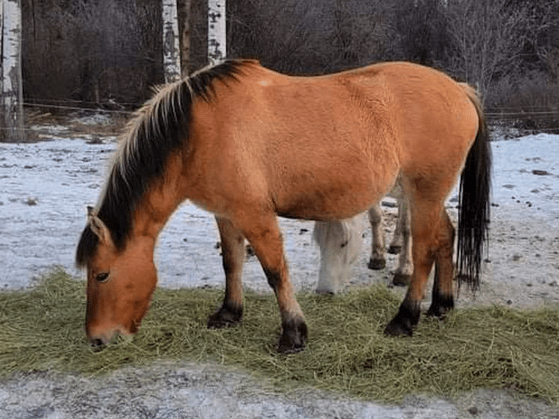
CALL (250) 706-9369
REWARD OFFERED
December 22, 2021
Search underway for two horses missing near 108 Mile Ranch READ ARTICLE.
December 23rd, 2021:
“These horses are family” ‘B.C. ranch owner frantic after pair go missing, likely stolen. READ ARTICLE.
December 27, 2021:
A B.C. woman is offering a financial reward for the safe return of two beloved draft horses that went missing from a farm in the South Cariboo region earlier this month. READ ARTICLE.
December 30th, 2021
She has contacted the RCMP and BC SPCA. She has also reached out to the B.C. brand inspector, who will give the information to the B.C. and Alberta auction grounds, and plans to contact the only B.C. business certified in butchering horses. READ ARTICLE.
Recently (see below) there have been reminders to those of us living in Canada, or near the Canadian border, that we live within a day’s drive – or at most 2 day’s drive – of plants that slaughter horses – and that stolen horses are slaughtered for human consumption.
With precious few protocols in place, other than the honor system, as to who is the rightful owner of a horse, and with “same day slaughter” as drop off, often being the case, we all need to know exactly what to do — and who to call — should any of our equines go missing.
Yes, like it or not horse slaughter is legal in Canada and stolen horses have been slaughtered before owners even know they are missing. (CHECK our BLOG for more details..)
To repeat, there are not any mandatory hold times after a horse is sold to a slaughter plant, so horses are often slaughtered the same day they arrive at a slaughter plant.
In other words, many Canadians could come home from work, or wake up in the morning to find that a horse, or horses, are missing, and our horses could be slaughtered for human consumption – before we know they are gone – and without us being notified first.
T-SHIRTS IN SUPPORT OF HORSE RESCUE FUND
LIMITED TIME OFFER FREE SHIPPING CANADA & USA